
The first morning in a retirement home can feel like stepping into a small, bustling town. Sunlight spills across shared dining tables, neighbors chat over coffee, and the scent of fresh bread drifts from the kitchen. Independence simply takes a new form here. Residents move at their own pace, explore new hobbies, and build friendships that turn the community into a place to belong.
What to Expect in a Retirement Home
Daily life at The Manor Village communities is structured to offer comfort, convenience, and opportunities for personal growth. Residents can expect a mix of routine and flexibility tailored to individual needs. Typical elements include:
- Personalized care
Assistance with daily tasks is available as needed, allowing seniors to maintain independence while getting support with chores, medications, or mobility.
- Safety and security
Retirement homes provide 24-hour staffing, emergency response systems, and secure environments to ensure peace of mind.
- Social engagement
Community activities encourage friendships, hobbies, and a sense of belonging, helping to combat isolation.
Living Fully in a Retirement Community
Life in a retirement community is more than just accommodation; it’s a lifestyle. Communities often include amenities such as fitness centres, hobby rooms, libraries, and outdoor spaces. These facilities support physical health, mental stimulation, and emotional wellbeing.
Daily Routine in a Retirement Home
A typical day balances structure and choice. While routines vary between communities, many residents experience:
- Morning wellness: Gentle exercise, yoga, or a morning walk helps maintain mobility and energy.
- Nutritious meals: Healthy, chef-prepared meals provide balanced nutrition without the hassle of cooking.
- Activities and learning: From art classes to book clubs and tech workshops, residents can pursue interests or try new skills.
- Social gatherings: Coffee hours, group outings, or game nights create opportunities to build friendships.
- Personal time: Residents also enjoy quiet time, reading, or hobbies in private rooms or common areas.
How Retirement Homes Support Health and Wellbeing
Retirement homes prioritize both preventive and responsive healthcare. Access to on-site nurses, medication management, and regular health checks ensures residents’ needs are met promptly. Fitness programs, therapy sessions, and wellness workshops further enhance quality of life.
Benefits of structured healthcare include:
- Faster response to emergencies
- Reduced stress for residents and families
- Tailored fitness and nutrition plans
Meals and Nutrition in Retirement Homes
Nutrition is a cornerstone of retirement home living. Meals are thoughtfully planned to support seniors’ health, meet dietary needs, and encourage balanced eating habits. Menus often include a variety of options to accommodate preferences and restrictions, and fresh, seasonal ingredients are used to create meals that are both nutritious and appealing.
Communal dining also makes mealtime a social occasion, giving residents a chance to connect and enjoy conversation. To ensure meals align with best practices for older adults, many retirement homes follow evidence-based recommendations, such as those outlined in the Canada Food Guide for Seniors, which provides practical guidance on balanced nutrition and healthy eating habits for this age group.
Social Life and Community Engagement
A vibrant social life is an essential part of daily life in a retirement home, helping residents stay connected, engaged, and mentally active. Many communities offer a variety of clubs and interest groups, including art, music, gardening, and technology, giving residents the chance to explore hobbies or develop new skills.
Special events, such as holiday celebrations, themed dinners, and community outings, provide opportunities to socialize and create lasting memories. Some residents also participate in volunteering programs, contributing to the community in meaningful ways while building relationships. These social connections not only help prevent loneliness but also support emotional wellbeing and a sense of belonging among residents.
Personal Independence and Privacy
While support is available, maintaining independence is a priority. Residents can manage their daily schedules, personalize their living spaces, and participate in activities at their own pace. Private rooms or apartments offer comfort while common areas encourage social interaction.
How to Choose the Right Retirement Home
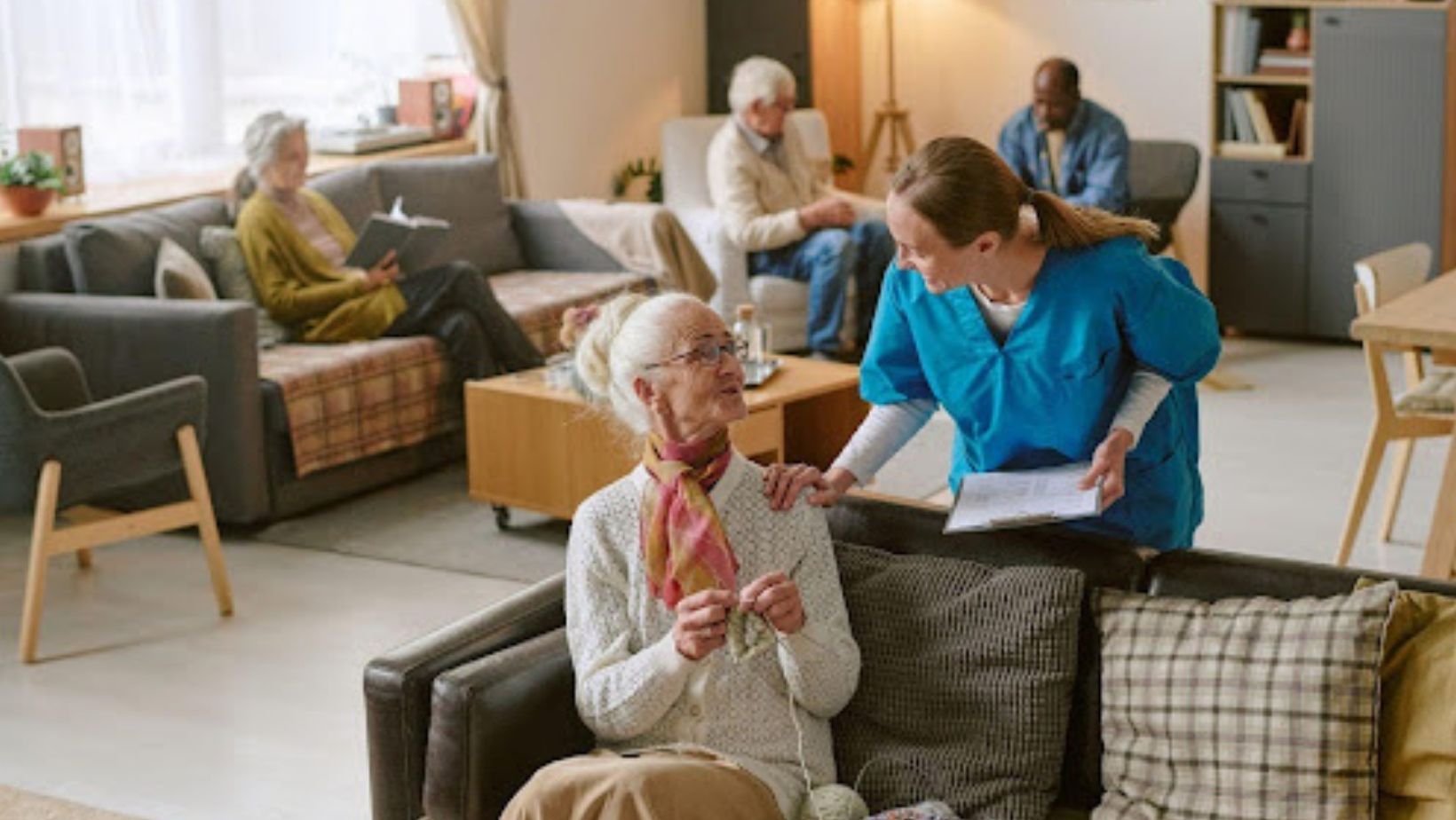
Choosing a retirement home involves considering lifestyle preferences, healthcare needs, and community culture. Key factors include:
- Location: Proximity to family, healthcare providers, and social amenities
- Level of care: Options range from independent living to assisted living
- Community culture: Opportunities for socialization, hobbies, and personal growth
- Amenities and services: Dining, fitness, therapy, and transportation options
Visiting communities, asking questions, and speaking with current residents can help make an informed decision.
Daily Life in a Retirement Home: Tips for a Smooth Transition
Moving into a retirement home can be easier with preparation. Practical tips include:
- Declutter gradually. Bring essentials first, then gradually personalize your space.
- Engage early. Participate in activities to meet neighbors and build connections.
- Stay active. Take advantage of fitness programs and social events.
- Communicate needs. Share preferences with staff to tailor care and services.
What Life in a Retirement Home Can Offer
A retirement home creates the environment where comfort, independence, and connection coexist naturally. With spaces designed for both privacy and community, access to wellness-focused living, and opportunities for social and personal enrichment, residents are free to shape their days in ways that feel meaningful to them. At its best, retirement living is not about slowing down, but about living with intention, ease, and a renewed sense of belonging.