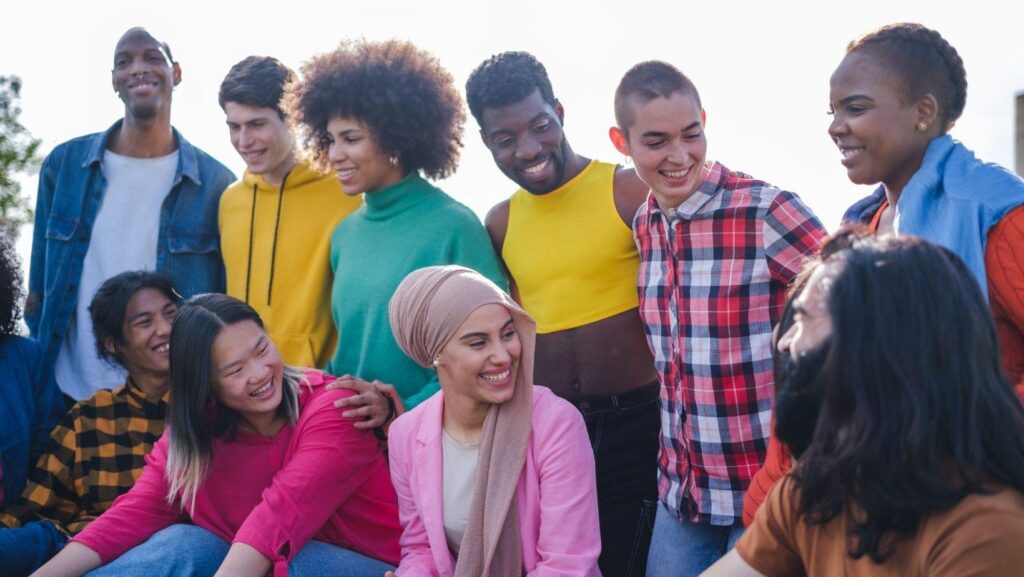
Trust across cultural differences is not built through slogans or one-off gestures. It develops when teams learn how to work with different perspectives, communication styles, values, and lived experiences in a way that feels respectful and consistent. In practical terms, that means creating an environment where people feel heard, understood, and able to contribute without having to minimise who they are.
Start With Shared Understanding
Teams usually struggle with trust when people assume everyone interprets behaviour in the same way. A direct comment may seem efficient to one person and dismissive to another. Silence in a meeting may be read as agreement, when it may actually reflect caution, hierarchy, or discomfort. Trust improves when teams openly recognise that cultural differences shape how people communicate, respond to conflict, and build professional relationships.
That is why structured learning matters. Approaches such as YarnnUp Indigenous cultural training and workplace engagement can support a stronger understanding of how culture influences workplace dynamics, especially where organisations are trying to strengthen inclusion in a meaningful way. The goal is not to make everyone behave the same, but to give teams a clearer foundation for respectful interaction.
Make Respect Visible in Daily Behaviour
Trust is shaped less by formal statements and more by what happens every day. People notice who gets interrupted, whose ideas are repeated without credit, and whether different viewpoints are genuinely considered. If respect only appears in policy documents, teams will quickly see the gap between intention and practice.
Leaders and colleagues build trust by showing consistency in small moments. That includes listening without defensiveness, pronouncing names correctly, avoiding assumptions, and giving people space to explain their perspective. These behaviours strengthen psychological safety, which is the sense that someone can speak honestly without fear of embarrassment or dismissal.
Address Misunderstandings Early
Cultural differences do not automatically create conflict, but unspoken misunderstandings often do. When teams avoid difficult conversations, people start filling the gaps with assumptions. That can lead to frustration, mistrust, and a belief that others are acting in bad faith, even when the real issue is unclear expectations or different communication norms.
Stronger teams deal with this early and calmly. They ask questions, clarify meaning, and avoid treating discomfort as a personal attack. This requires a degree of cultural competence, which means recognising that your own habits are not universal and being willing to adjust how you listen, explain, and respond.
Build Trust Through Fair Processes
People are more likely to trust a team when workplace processes feel fair. That includes meetings, feedback, hiring, promotions, and decision-making. If some voices are routinely valued more than others, trust weakens, regardless of how inclusive the organisation claims to be.
Fairness also means examining bias in how performance, professionalism, or “team fit” are judged. Across culturally diverse teams, these ideas can be shaped by narrow expectations that reward familiarity rather than contribution. Trust grows when standards are clear, applied consistently, and open to review.
Create Space for Different Ways of Contributing
Not every team member builds credibility in the same way. Some people contribute by speaking quickly in open discussion, while others offer stronger insight after reflection or in smaller settings. Teams that only reward one style of participation can unintentionally exclude capable people and weaken collaboration. This is often where intercultural communication becomes important, because people may differ in how directly they speak, when they choose to contribute, and how they interpret group discussion.
A more trusted team makes room for varied forms of contribution. That might mean allowing more time before decisions are finalised, checking in one-to-one after meetings, or inviting written input. These adjustments are not about lowering standards. They are about making sure good ideas are not lost because the setting only suits one communication style.
Treat Trust as Ongoing Work
Trust across cultural differences is not a box to tick after one workshop or initiative. It requires ongoing attention, especially as teams change, organisations grow, and expectations shift. In many workplaces, this links closely to broader inclusion efforts such as a Reconciliation Action Plan, but the same principle applies more broadly: trust needs regular practice, reflection, and accountability.
Teams that do this well stay curious. They review what is working, recognise where people still feel excluded, and keep improving how they work together. That is what turns cultural awareness into stronger relationships and better teamwork.
Where Stronger Teams Usually Begin
Teams build trust across cultural differences by improving understanding, showing respect in everyday behaviour, addressing misunderstandings early, and making workplace processes fairer. None of this depends on grand language. It depends on whether people can see, over time, that the difference is handled with care rather than discomfort. When that happens, trust becomes more than a value statement. It becomes part of how the team actually works.