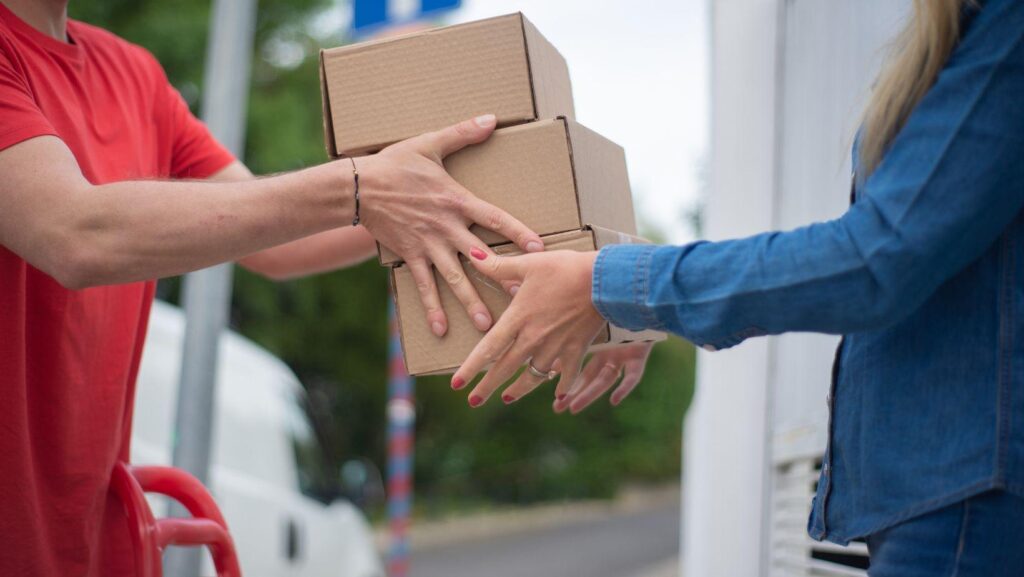
Ordering something online and having it arrive within hours has become an expectation for plenty of people, something they rarely think about beyond simply tracking a package's progress toward their front door throughout the day.
Behind that convenience sits a genuinely complex delivery operation, relying on a constant stream of vehicles making repeated stops throughout dense residential and commercial areas, moving continuously from one delivery point to the next without much visible interruption.
That constant movement plays a direct role in delivery van accidents, since the very structure of fast delivery service creates driving conditions considerably different from ordinary point-to-point travel most people experience during a typical commute.
Delivery Routes Create Constant Stop-and-Go Driving
Delivery driving looks fundamentally different from most other types of driving. Instead of traveling steadily toward a single destination, delivery vehicles stop repeatedly throughout an entire shift, parking briefly before continuing on to the next address along the route.
Backing into position happens frequently too, along with constant re-entry into traffic after each individual stop. Navigation demands remain high throughout the entire shift, since routes often change daily depending on the specific deliveries scheduled for that particular day.
This repeated movement between curbs and active roadways creates numerous small moments of risk throughout a single shift, each one requiring careful attention that simply isn't necessary during longer, more continuous stretches of ordinary highway or commuter driving.
Neighborhood Roads Add More Variables
Residential streets introduce specific challenges that differ considerably from major roads or highways. Pedestrians and cyclists share these streets regularly, along with children who might dart out unexpectedly from between parked cars or nearby yards.
Pets occasionally wander into the path of delivery vehicles as well, adding another unpredictable variable drivers need to watch for throughout their route. Narrow streets compound these challenges further, sometimes leaving very little room to maneuver safely around other vehicles.
Parked vehicles can limit visibility considerably too, particularly near driveways where delivery drivers need to navigate carefully. These combined factors mean neighborhood streets demand a different, more vigilant kind of attention than higher-speed roads typically require.
Bigger Vehicles Have Different Blind Spots
Delivery vans differ meaningfully from standard passenger cars in terms of size and visibility. Rear visibility tends to be considerably more limited, particularly for vans without rear windows, making backing maneuvers genuinely more challenging than they would be in a typical car.
Side blind zones extend further as well, requiring drivers to account for areas that simply aren't visible through standard mirrors alone. Turning space needs also increase with vehicle size, meaning delivery vans require more room to navigate tight corners safely.
Stopping distance grows too, particularly once a van carries a full load of packages. These combined differences mean delivery vehicles behave differently enough from ordinary cars that both drivers and nearby motorists benefit from recognizing those distinctions clearly.
The Investigation May Extend Beyond the Driver
When a collision involves a delivery vehicle, understanding what happened sometimes requires looking beyond the driver alone. Vehicle ownership can become relevant, along with the driver's specific employment status, whether direct employment or independent contracting arrangement.
Maintenance records may factor into the picture too, particularly if a mechanical issue potentially contributed to the incident. Dispatch records can also become relevant, helping establish route assignments, timing, and other operational details surrounding the specific delivery involved.
Insurance issues often require careful examination as well, since coverage arrangements can vary considerably depending on how the underlying delivery operation is actually structured. These combined factors can make delivery-related incidents more complex than ordinary vehicle collisions.
Conclusion
Every fast delivery depends on a real, functioning transportation system operating continuously in the background, one that most customers never actually think about beyond simply watching a tracking number update throughout the day.
That system carries genuine risk, shaped by constant stops, unfamiliar neighborhood streets, larger vehicle dimensions, and operational structures that customers rarely see or consider while simply waiting for a package to arrive at their door.
Recognizing this hidden complexity helps explain why delivery-related collisions can involve considerations that extend well beyond what might be obvious from watching a van pass by on an otherwise ordinary residential street.