Identification technology is one of the most important tools for maintaining order in modern warehouses. In warehouses, shelf inventory labels have become an important part of the environment. They help people find, select, and restock items by serving as both a visual aid and an electronic guide. Shelf inventory labels are an important technological link between people and inventory technology. They ensure that items can be easily found in a warehouse. By labelling warehouse inventory, you can create an organised environment that makes it easier to track inventory operations, save time, and reduce errors.
Creating a Structured Storage Environment
Put simply, the initial application of warehouse shelf labels is to impose order on a very confusing environment. Assigning a number to each warehouse shelf enables a logical system in which every product has a home. It becomes easier for workers to locate products without having to remember their location in the warehouse, reducing time wasted due to confusion. Using barcode or alphanumeric labels on shelves further improves the situation, as scanners can automatically record entries in seconds to track product movement and initiate replenishment.
- Integrating Technology with Warehouse Shelf Labeling
The trend in modern warehousing emphasizes the use of digital tools for real-time inventory monitoring. By integrating shelf labels and features such as barcodes and RFID, optimal communication between shelf locations and warehouse management software can be achieved. The shelf product labels essentially serve as digital bridges, enabling item data to connect to databases for live inventory updates. The adoption of an inventory management system powered by warehouse shelf inventory labels enables faster processing, real-time data updates, and reduced manual data entry. Inventory management in such warehouses enables seamless alignment between physical and digital processes, optimizing inventory accuracy.
- Durability and Material Considerations for Shelf Labels
Warehouse conditions may be harsh, with fluctuating temperatures, dust exposure, and frequent handling or movement. Shelf label materials should therefore be robust enough to withstand such conditions, even after years in this environment. Materials that are heat-resistant, such as plastic, vinyl, or metal-backed labels, would be suitable. Such labels are not prone to fading, peeling, or smudging, regardless of exposure to cleaning chemicals or industrial lighting. Magnetic shelf labels are highly recommended in areas with frequent layout changes, as they can be moved from one location to another without leaving residue.
- Supporting Efficiency in Picking and Replenishment
Clear and consistent shelf labeling greatly enhances the speed and accuracy of picking operations. When labels are placed at eye-level and match digital systems, staff can find what they need without delay. Scannable shelf identifiers minimize human error by confirming selection before dispatch. Replenishment is also more accurate, as correct labels ensure new stock is placed in the correct location, maintaining inventory organization with minimal overstocking or stockouts. The result is a shorter fulfillment cycle for higher productivity. Companies like ASG Services, for instance, can design and produce shelf and rack labels that are built for these high-traffic warehouse environments. This can ensure durability along with scannability. The time the label saves in efficiency translates directly into reduced operational costs, as fewer errors lead to smoother workflows and faster order completion across the warehouse.
- Improving Safety and Compliance in Storage Operations
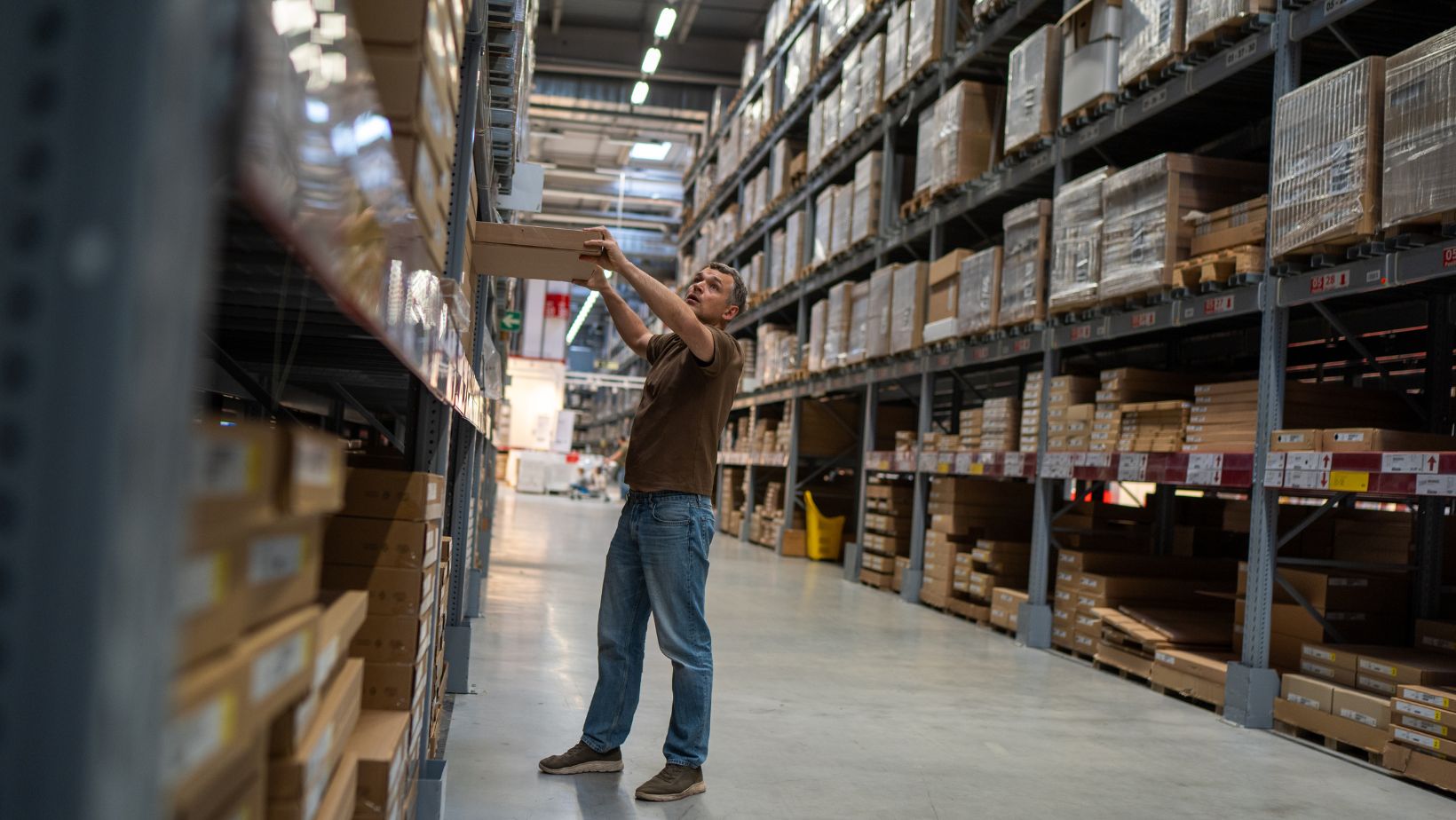
A safe storage facility relies heavily on effective visibility and identification. Shelf labels for storage not only direct items to their storage locations but also provide crucial information on capacity and warnings. The use of shelf labels helps prevent storage overload, improper item orientation, and unplanned storage of incompatible substances. In industries such as food storage, medicine, and chemical laboratories, precise shelf labeling helps ensure compliance with safety standards. Visible shelf labels help auditors and inspectors identify substances by their storage locations. Effective shelf labeling is a milestone for proper storage, as it helps emergency services directly pinpoint restricted areas. Effective shelf labeling helps storage facilities ensure a safe and responsible workplace.
- Customization for Different Storage Systems
Not all warehouses are created equal, and labeling solutions must therefore account for a range of shelving configurations and product variations in the storage space. Customizable shelf labels empower enterprises to meet specific functional requirements with designs, colors, and layouts tailored to their industrial needs. High-density warehouses use small bar-coded labels, and broad shelving stations are ideal for using larger, clear, readable identifiers on the label surface. In some warehouses, colored marking schemes are used to distinguish regions, product groups, and handling priority levels. Print options for the labels include company logos, arrows, and variable data such as S/numbers and SKU identifiers.
- Adapting Labels for Automation and Future Technology
Automation is increasingly reshaping the warehouse, but shelf labeling solutions must keep pace. The accuracy of agv systems, robotic pickup systems, and advanced scanners all depends on consistent labeling. The purpose of shelf labels is either to serve as a visible sign or to be used by the AGV system to locate and retrieve items from warehouse shelves with precision across vast warehouse spaces. Soon, the rise in applications of computer vision and Internet of Things technologies will drive the development of shelf labels with higher print contrast and AGV sensor compatibility. The shelf label solution remains at the center, providing the accuracy and agility required in AGV systems for warehouse automation.
Building Efficiency Through Smart Labeling Systems
Warehouse shelf labels go beyond basic identification; they underpin order, accuracy, and efficiency in every warehouse setting. By enhancing real-time visibility, they streamline workflows and maintain data accuracy across all processes by linking offline environments to digital systems. Through strategic investments in materials, technology, and design, warehouse shelves become an intelligent infrastructure that can sustain growth and enable automation. Shelf labels in warehouses turn shelves from mere storage facilities into smart tools in their own right, empowering everyone around them. In today’s rapidly evolving logistics and supply chain management landscape, shelf labels remain an important yet often overlooked factor in promoting efficiency, safety, and accuracy.