
Varicose veins are more than just a cosmetic concern—they can indicate underlying health issues that shouldn’t be ignored. Consulting a vein specialist in Royal Oak can provide clarity and guidance on the best course of action. In this guide, we’ll explore the causes of varicose veins, effective treatment options—both non-surgical and surgical—and strategies to reduce discomfort, helping us restore healthy, pain-free legs.
Understanding Varicose Veins
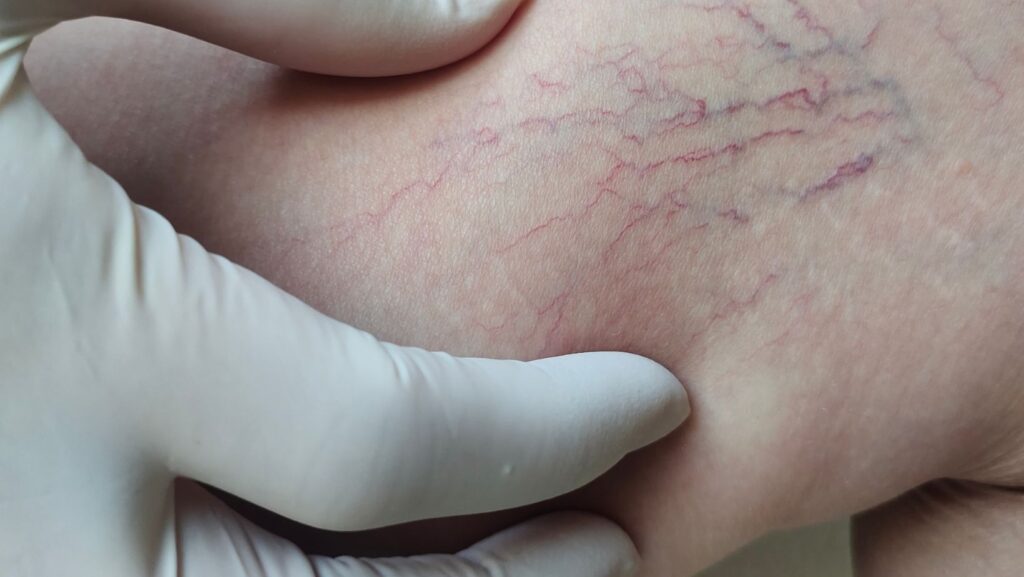
Varicose veins are swollen, twisted veins that often appear blue or dark purple. They commonly occur in the legs and feet due to increased pressure in the veins.
Common Symptoms of Varicose Veins
The symptoms of varicose veins can vary widely, but some of the most common include:
- Aching or heavy legs
- Swelling in the legs or feet
- Discolored skin near the affected veins
- Itching around the veins
- Muscle cramps, particularly at night
These symptoms can range from mild discomfort to severe pain, and they may worsen after prolonged sitting or standing.
Causes and Risk Factors
Understanding the causes and risk factors of varicose veins is crucial. The main cause is the malfunctioning of the valves in the veins, which prevent blood from flowing backward. This can result in blood pooling in the veins, leading to their enlargement. Risk factors include:
- Age: As we age, our veins lose elasticity, making them more prone to issues.
- Genetics: A family history of varicose veins increases our risk.
- Gender: Women are more likely to develop varicose veins due to hormonal changes.
- Obesity: Carrying excess weight puts additional pressure on the veins.
- Sedentary lifestyle: Inactivity can contribute to poor circulation.
By recognizing these factors, we can take steps to manage or mitigate the risks.
Effective Non-Surgical Treatments
If we’re looking for effective non-surgical treatments for varicose veins, several options are available that can significantly alleviate symptoms.
Compression Therapy
Compression stockings are often the first step in varicose vein treatment. They apply gradual pressure to the leg, helping to improve blood flow and reduce swelling. We can find these in various styles and strengths, making them a versatile option for many of us.
Sclerotherapy
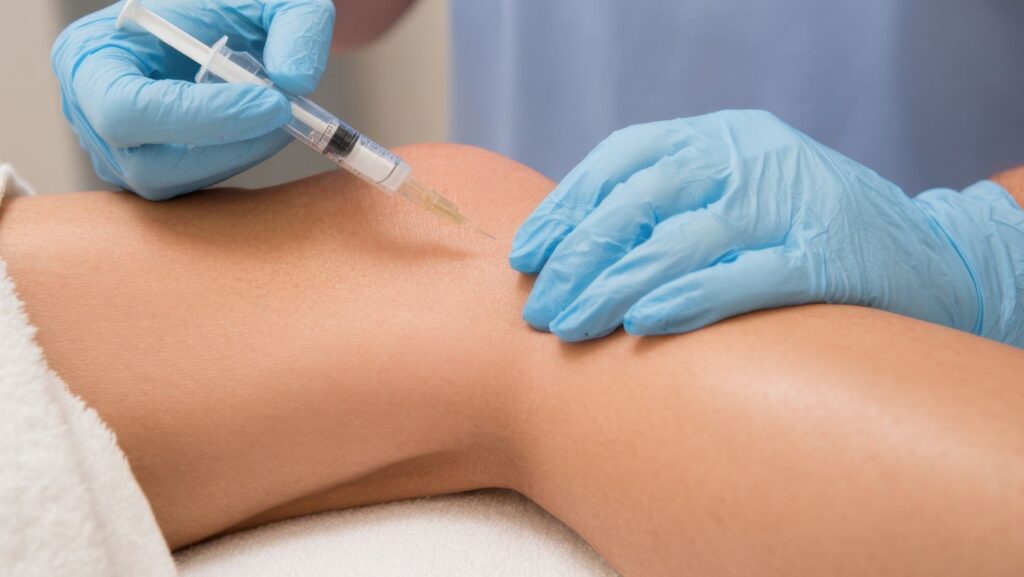
Sclerotherapy is a minimally invasive procedure that involves injecting a solution directly into the varicose veins. This solution causes the veins to scar and close, diverting blood flow to healthier veins. The process is effective for smaller veins and can be performed in a doctor’s office without anesthesia.
Laser Treatment
Laser treatment utilizes focused light to treat smaller varicose veins and spider veins. The laser energy directs heat to the targeted veins, causing them to collapse and fade within weeks. This approach is painless and requires no downtime, making it an attractive option for many patients.
Radiofrequency Ablation
Radiofrequency ablation uses energy waves to create heat within the vein, causing it to close. This treatment is often done under local anesthesia and has a high success rate in treating larger varicose veins. The recovery time is minimal, allowing us to return to our daily activities quickly.
Surgical Options for Severe Cases
In cases where varicose veins are severe and causing significant complications, surgical options may be necessary.
Ambulatory Phlebectomy
Ambulatory phlebectomy is a technique that removes smaller varicose veins through tiny incisions. This outpatient procedure is effective for varicose veins that are close to the skin’s surface and allows us to begin our recovery almost immediately. Patients will likely return to normal activities within a few days.
Post-Treatment Care and Recovery
After we undergo any varicose vein treatment, proper care is essential for optimal recovery. Here are some key points to consider:
- Follow-up appointments: Attend all scheduled follow-ups with our healthcare provider to monitor healing.
- Compression wear: Continuing to wear compression stockings after treatment is often recommended to maintain venous pressure and speed healing.
- Limit standing or sitting: Keeping activity levels moderate helps improve circulation.
- Leg elevation: Elevating our legs during rest periods can reduce swelling and discomfort.
Adhering to these guidelines can help ensure a smooth recovery process.
Lifestyle Changes and Preventive Measures
Integrating certain lifestyle changes can help us prevent аnd minimize the appearance of varicose veins. Some strategies include:
- Regular exercise: Engaging in activities that promote circulation, such as walking, swimming, or cycling.
- Weight management: Maintaining a healthy weight reduces the pressure on our veins.
- Healthy diet: Consuming a balanced diet rich in fiber and low in salt can help prevent swelling and improve overall vein health.
- Avoiding prolonged sitting or standing: If our jobs require us to be on our feet or sitting for long periods, taking breaks to move around can enhance circulation.
- Elevating legs: Elevating our legs periodically to encourage blood flow back to the heart.
Making these adjustments not only improves our vein health but also contributes to overall wellness.
When to Consult a Healthcare Professional
We need to recognize when it’s time to consult a healthcare professional about varicose veins. Consider reaching out if we experience:
- Severe pain or discomfort that hampers our daily activities
- Changes in skin color or texture around the affected area
- Swelling that doesn’t subside with elevation
- Symptoms of complications, such as bleeding or ulcers
Acting quickly allows us to address potential issues before they become more serious.
Conclusion
Choosing the right varicose vein treatment is crucial for alleviating discomfort and improving our quality of life. With the variety of options available, from non-invasive therapies to surgical solutions, there’s a treatment plan suitable for everyone. We encourage everyone affected by varicose veins to seek professional advice, explore their options, and make informed decisions. By understanding our choices and following through with lifestyle changes, we can manage this condition effectively and enhance our overall well-being.