
Sound travels through every home, influencing comfort, concentration, and relaxation. Conversations, televisions, household appliances, and outdoor activities can quickly create unwanted background noise that affects daily living. Interior design has gradually shifted beyond visual appeal alone, with greater attention placed on creating spaces that feel calm and comfortable. One design feature that combines decorative value with practical performance is the use of soundproofing wood slat wall panels. These panels introduce natural texture and warmth to a room, yet their greatest benefit often lies in their ability to improve acoustic quality. By helping control echoes and reducing unwanted noise, they create interiors that feel quieter, more balanced, and better suited to everyday life.
Understanding How Soundproofing Works
Soundproofing refers to the process of reducing the movement of sound between spaces or improving the way sound behaves within a room. Sound waves travel through walls, ceilings, floors, and even small gaps around doors or windows. Hard surfaces such as glass, painted plaster, or tiles often reflect these waves, creating echoes that make rooms feel louder than expected. Soft or specially designed materials interrupt this movement by absorbing part of the sound energy before it spreads throughout the space. A successful acoustic solution often combines sound absorption with sound reduction, allowing a room to feel quieter without compromising its appearance. Wood slat wall panels have become a popular choice for this purpose, offering decorative appeal together with measurable acoustic improvements.
Why Wood Slat Panels Improve Acoustic Comfort
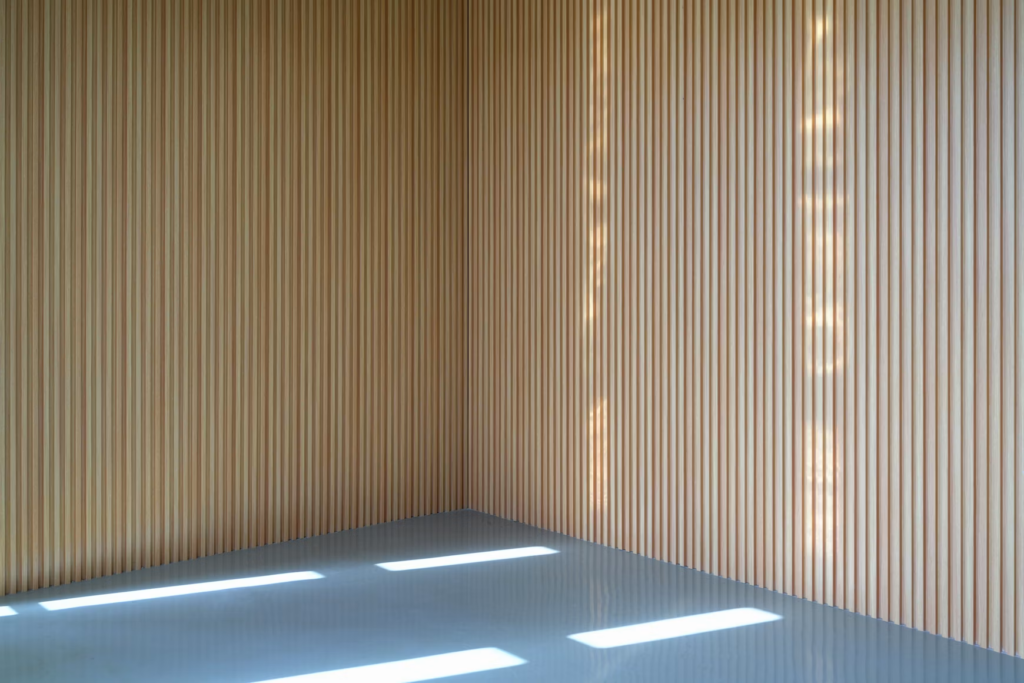
Wood possesses natural characteristics that help soften sound. Its structure absorbs a portion of sound energy instead of reflecting every wave into the room. When arranged in evenly spaced slats, the acoustic performance becomes stronger. The gaps between each slat interrupt sound movement, allowing waves to disperse rather than bounce repeatedly across solid surfaces. Many panel systems include an acoustic backing, often made from felt or another absorbent material, which captures additional sound energy before it returns to the room. This layered design creates a noticeable reduction in echo and produces clearer speech, music, and entertainment audio. The combination of timber and acoustic backing offers an attractive solution without requiring bulky insulation products that may affect the appearance of the room.
The Influence of Material Selection
Different timber species produce slightly different acoustic characteristics, along with distinct colours and grain patterns. Dense hardwoods such as oak provide excellent resistance against vibration and contribute to stronger sound control. Walnut offers a rich appearance paired with dependable acoustic performance, making it a popular selection for premium interiors. Cedar provides a lighter appearance together with natural warmth, creating inviting spaces that remain acoustically comfortable. Surface texture can influence performance as well. Timber with a more natural finish introduces subtle variations that encourage sound waves to scatter across the surface. Selecting the appropriate wood involves balancing appearance, durability, maintenance requirements, and acoustic performance so the finished installation complements both the design and function of the room.
Installation Makes a Noticeable Difference
The performance of wood slat wall panels relies heavily on correct installation. Panels fixed directly against a wall can improve acoustics, yet greater sound reduction is often achieved through a mounting system that creates a small cavity between the wall and the panel. This space allows sound energy to lose strength before reaching the structural wall behind it. Acoustic insulation placed within this cavity increases the amount of sound absorbed across a wider range of frequencies. Materials such as mineral wool or fiberglass are frequently selected for this purpose since they effectively reduce airborne sound. Careful alignment, secure mounting, and proper spacing between each panel contribute to consistent acoustic performance throughout the installation. Professional workmanship allows every component to work together as intended, creating reliable long-term results.
Practical Uses Throughout the Home
Wood slat wall panels suit many areas within a home, offering benefits that extend beyond dedicated entertainment spaces. Living rooms become more comfortable for family conversations when excessive echo is reduced. Home theatres gain improved sound clarity, allowing films and music to sound more natural without distracting reflections. Home offices benefit from quieter surroundings that support concentration during meetings or focused work. Bedrooms can feel more peaceful by reducing the transfer of sound from neighbouring spaces. Dining rooms often experience less background noise, making conversations easier during gatherings. Open-plan homes also benefit from improved acoustics, particularly where hard flooring and expansive surfaces create unwanted reverberation. Their adaptable appearance allows these panels to blend comfortably with both traditional and contemporary interiors.
Care and Long-Term Performance
Wood slat wall panels require relatively simple maintenance, making them suitable for busy households. Dust should be removed regularly using a soft cloth, feather duster, or vacuum fitted with a brush attachment. Keeping the spaces between the slats free from accumulated dust helps preserve both appearance and acoustic performance. Timber surfaces may occasionally benefit from suitable wood care products, depending on the finish applied by the manufacturer. Routine inspections can identify loose fittings, minor cracks, or signs of warping before they develop into larger problems. Stable indoor humidity levels help preserve the natural shape of the timber, reducing the likelihood of movement over time. Consistent care allows the panels to remain attractive and functional for many years.
A Sustainable Choice for Modern Interiors
Responsibly sourced timber offers environmental advantages alongside practical performance. Wood is a renewable material that stores carbon throughout its lifespan, making it an attractive option for environmentally conscious construction and renovation projects. Many manufacturers obtain timber from responsibly managed forests, supporting long-term forest regeneration and sustainable harvesting practices. Compared with many synthetic alternatives, timber introduces a natural material that ages gracefully and remains suitable for a wide range of interior styles. Long service life also reduces replacement frequency, lowering material waste across the life of the building. Choosing durable, responsibly sourced wood panels supports environmentally responsible design without sacrificing visual quality or acoustic comfort.
Conclusion
Creating a quieter home involves more than reducing unwanted noise. It improves comfort, supports concentration, and creates spaces that feel welcoming throughout the day. Soundproofing wood slat wall panels combine decorative appeal with dependable acoustic performance, making them suitable for living areas, home offices, entertainment rooms, bedrooms, and many other interior settings. Their natural construction, thoughtful design, and compatibility with acoustic insulation allow them to improve sound quality without overwhelming the overall appearance of a room. With suitable material selection, skilled installation, and regular maintenance, these panels continue delivering reliable performance for many years. Homeowners seeking an attractive solution that supports both interior design and acoustic comfort often find wood slat wall panels to be a practical and lasting investment.