

Truck collisions are often more complex and serious than typical car accidents, involving multiple liable parties, federal regulations, and powerful insurance companies determined to limit payouts. From the first moments after a crash, experienced truck accident attorneys at Graves McLain understand that gathering the right evidence is essential to building a strong legal claim that proves fault and maximizes compensation. Without detailed documentation and thorough investigation, key facts can be lost — especially in truck cases where evidence tends to disappear quickly if not preserved.
Police and Accident Reports
One of the earliest and most important pieces of evidence in any truck accident claim is the police report. First responders document the scene, record statements from drivers and witnesses, note citations if issued, and often summarize apparent causes or contributing factors. This formal report provides a structured, official account of the collision that attorneys can use to establish fault and corroborate your version of events.
Beyond the police report, documentation such as the responding officer’s narrative, diagrams, and any traffic citations issued are crucial. Attorneys will extract every detail from these reports to support your claim and use it as a foundation for further investigation.
Photos, Videos, and Scene Documentation
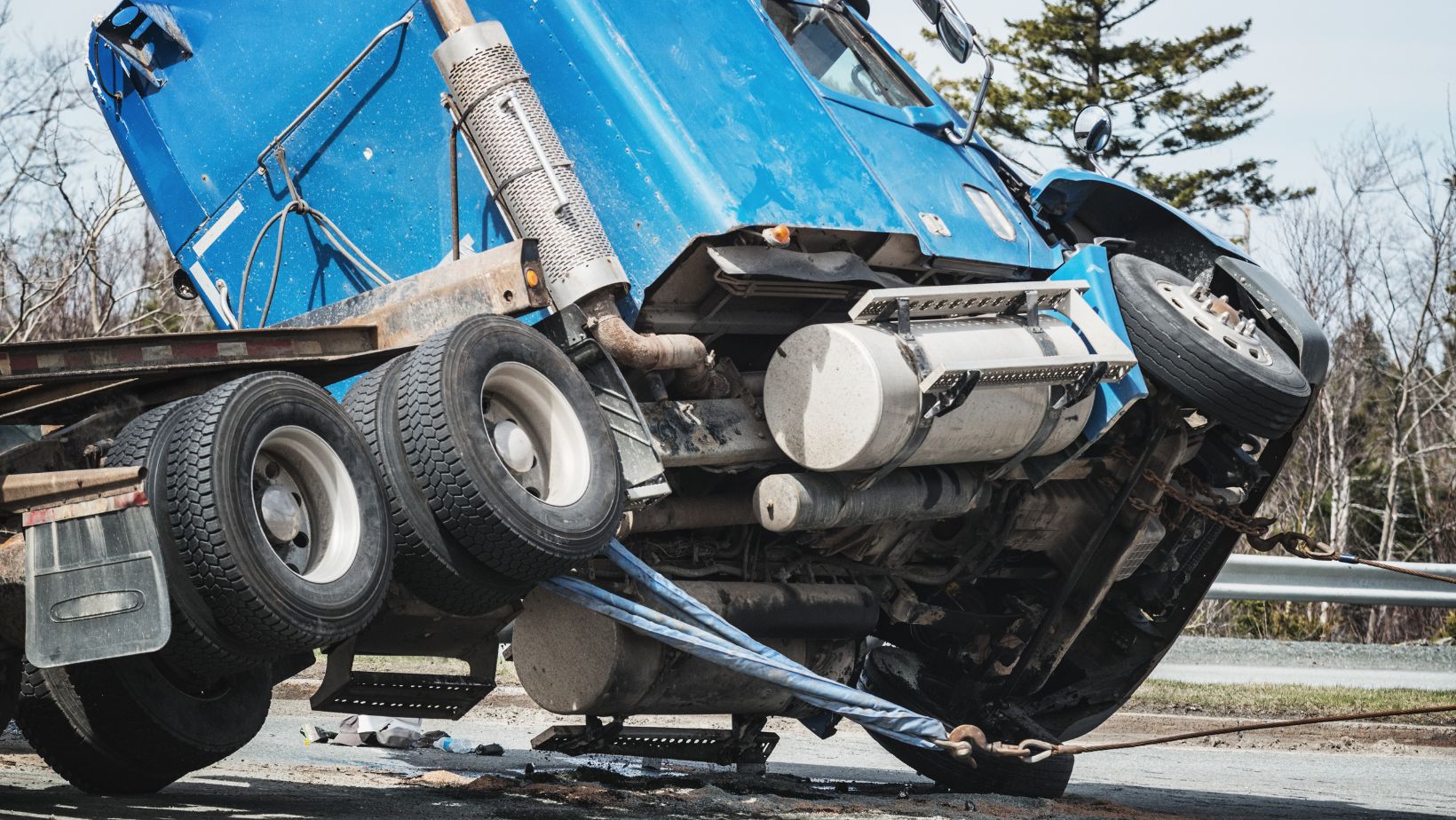
Visual evidence from the accident scene is invaluable. Pictures and video help tell a story that words sometimes cannot — showing vehicle damage, skid marks, debris placement, road conditions, and environmental factors at the moment of the crash. If you’re physically able, taking your own photos shortly after the accident can preserve this evidence before weather or cleanup crews erase it.
In addition to your own documentation, footage from nearby surveillance cameras, traffic cams, and dashcams from other vehicles can provide objective angles that precisely capture how the collision unfolded. Attorneys often act quickly to secure these recordings before they are deleted or recorded over.
Black Box and Electronic Logging Device Data
Commercial trucks are equipped with sophisticated electronic systems that record critical data in the seconds before and during a crash. Known as black box or event data recorder (EDR) information, this evidence reveals truck speed, brake usage, throttle position, and more — all key to showing driver behavior and performance at the time of impact.
Additionally, many trucks are required to use electronic logging devices (ELDs), which track hours of service and rest breaks to ensure compliance with federal trucking regulations. If these logs show violations — such as driver fatigue or failure to rest — they can significantly strengthen your claim by proving negligence on the part of the driver or trucking company.
Driver Records and Trucking Company Documents
Evidence from the driver’s personnel file and the trucking company’s internal records can reveal patterns of negligence. Employment records, training documentation, and hiring practices can show whether a driver was properly qualified or if the company pressured drivers into unsafe schedules.
Furthermore, maintenance and inspection reports for the truck itself are essential. These documents demonstrate whether the company followed federal safety regulations and kept the vehicle in safe operating condition. Missing or outdated maintenance records may indicate negligence and liability.
Medical Records and Injury Documentation
Linking your injuries directly to the crash requires thorough medical documentation. Hospital and emergency room records, doctor’s notes, diagnostic test results, and ongoing treatment plans all help illustrate the severity of your injuries and the long-term impact on your life.
Detailed medical records also help calculate economic losses like treatment costs, rehabilitation expenses, and lost wages — as well as non-economic damages such as pain and suffering. A well-documented injury history strengthens your claim by showing insurers and courts the true cost of the accident.
Eyewitness Statements
Third-party accounts from witnesses who saw the crash can corroborate your story and counter conflicting narratives from the trucking company or its insurer. Witnesses might describe truck speed, driver actions, weather conditions, or other factors that contributed to the collision.
Statements from bystanders, passengers, or other motorists can skew heavily in your favor when properly documented and presented as part of a comprehensive evidence package.
Expert Witnesses and Reconstruction Analysis
In many truck accident cases, attorneys work with experts who interpret complex data and testify about what likely caused the crash. Accident reconstructionists, medical experts, and trucking regulation specialists can add credibility to your claim and explain technical evidence in ways judges and juries understand.
Conclusion
Truck accident claims hinge on the strength and organization of the evidence you present. From official reports and photos to electronic data, medical records, and expert analysis, every piece plays a role in proving liability and damage. Gathering this evidence quickly and thoroughly — often with help from legal professionals — is the key to building a convincing case that reflects the true impact of your accident.
Key Takeaways
- Police and accident reports form a foundational record of the collision and help establish fault.
- Photos, videos, and scene documentation provide visual proof of conditions and damage.
- Black box and ELD data reveal driver behavior and regulatory compliance before the crash.
- Driver and trucking company records can show patterns of negligence or unsafe practices.
- Medical records and injury documentation link your harm directly to the accident.
- Witness statements and expert testimony strengthen your claim and provide independent verification.