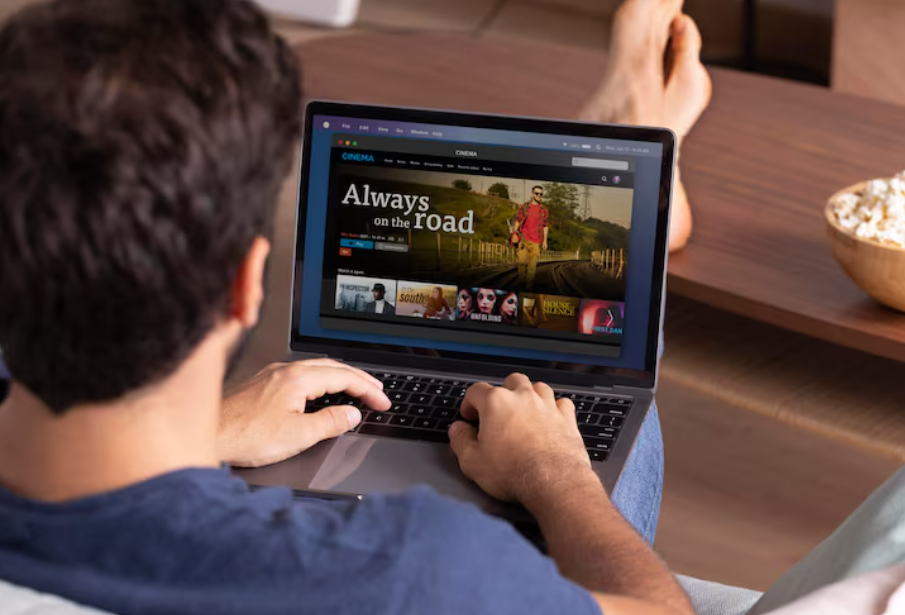
Watching movies and television used to be built around schedules. People waited for a certain evening, a fixed broadcast time, or the release of a new episode. That rhythm has changed almost completely.
Today, viewers decide when, where, and often how they want to watch. Some finish a full season over a weekend. Others watch one episode during a commute, pause halfway through, and continue later on another device. The screen may be smaller, but the number of choices is much larger.
These habits are not only changing how audiences watch. They are also shaping how movies and television are made, released, promoted, and discussed.
Viewers Expect More Control Over Their Time
One of the biggest shifts is simple: people do not want entertainment to control their schedule.
On-demand viewing has made flexibility feel normal. A viewer can start a film late at night, pause it, return the next day, or save an entire series for the weekend.
Platforms such as idlix com are part of a much wider viewing environment where audiences increasingly expect content to be available when they are ready for it.
This has changed the idea of “prime time.” For many viewers, prime time is no longer 8 p.m. It may be during lunch, after midnight, or while travelling.
That freedom has also made audiences less patient with content that feels difficult to access. Convenience now plays a large role in what gets watched.
Binge-Watching Has Changed Story Structure
When several episodes are available at once, storytelling changes.
Traditional television often had to remind viewers what happened the previous week. Modern series can move faster because audiences may watch episodes back-to-back. Writers can stretch one mystery across several episodes, end each episode on a strong hook, and trust that many viewers will immediately continue.
This has encouraged more serialized storytelling. Instead of every episode feeling completely separate, each chapter connects closely to the next.
The result is a different kind of viewing experience. A season can feel less like ten individual episodes and more like one very long story divided into sections.
Shorter Content Is Finding a Larger Audience
At the same time, not everyone wants hour-long episodes.
Short-form dramas and compact series have become easier to fit into daily routines. A viewer may have ten or fifteen minutes available while waiting for a train, taking a break, or relaxing before bed. That creates space for stories designed to move quickly.
Interest in drama pendek terbaru reflects this shift toward shorter, faster entertainment. These dramas often introduce the main conflict early, keep scenes tight, and avoid long stretches of setup.
Shorter does not necessarily mean simpler. It often means the storytelling has to be more efficient. Characters, relationships, and conflicts need to become clear without wasting much time.
Phones Have Changed the Way Stories Are Watched
Television was once something watched from across a room. Now, a large part of entertainment is consumed on screens held in one hand.
That changes more than screen size.
Viewers watching on phones may be surrounded by distractions. Notifications arrive. Messages appear. Someone may stop halfway through a scene and return later. Because of this, modern content often needs to grab attention quickly.
Visual clarity matters too. Subtitles need to be readable. Important details cannot always depend on wide cinematic shots. Even trailers and promotional clips are increasingly designed with mobile viewing in mind.
This does not mean traditional television screens are disappearing. It simply means films and series now have to work across several viewing situations.
Recommendations Influence What People Discover
In the past, viewers often found new shows through television schedules, newspaper listings, advertisements, or recommendations from friends.
Now, discovery happens differently.
People browse categories, search by genre, watch short clips, read comments, and jump from one recommendation to another. A viewer may begin by looking for a crime drama and end up watching a historical romance simply because the description or thumbnail caught their attention.
This has given older content a longer life as well. A series does not always disappear once its original broadcast ends. It can suddenly become popular again months or even years later when new viewers discover it online.
Audiences Talk About Shows While Watching Them
Digital viewing has also made entertainment more social.
Viewers discuss episodes in comment sections, group chats, forums, and social media posts. Reactions can appear only minutes after a new episode is released.
That creates a second layer around the story itself. People share theories, debate characters, joke about scenes, and recommend shows to others. In some cases, the conversation around a series becomes almost as entertaining as the series.
This constant discussion can also influence viewing choices. Someone who sees the same drama mentioned repeatedly may eventually decide to give it a try.
Movies and Television Are Becoming More Flexible
The line between movies, television, and digital series is no longer as clear as it once was.
Some films feel like extended television episodes. Some streaming dramas have production values once associated mainly with cinema. Short dramas can tell complete stories in minutes, while long-form series may stretch across several seasons.
What connects all of these formats is the viewer.
Modern audiences want more control, more choice, and more flexibility. They may still love long movies and traditional series, but they also expect entertainment to fit naturally into their daily lives.
That shift is likely to keep shaping what gets made. The future of movies and television may not belong to one format. It may belong to stories that understand how people actually watch them now.