
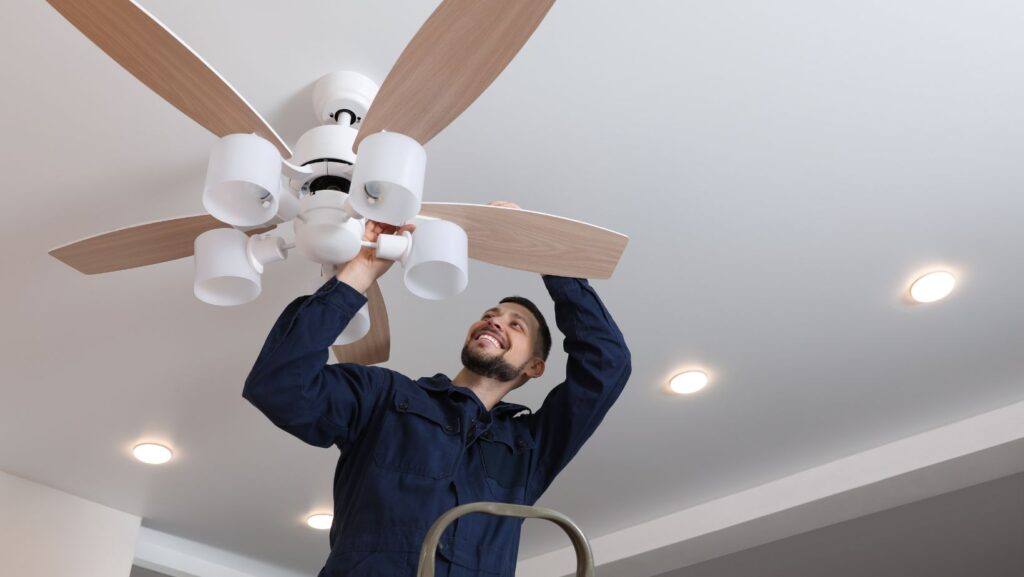
Walk into two similar commercial spaces, and the difference is often obvious within minutes. One feels easy to work in, while the other feels slightly off, even if you cannot immediately explain why. In most cases, that gap comes down to small upgrades that improve comfort, airflow, and how the space functions day to day. Simple changes, like improving air movement with ceiling fans for commercial buildings, can shift how a space feels without overhauling everything.
Airflow Is Often the Missing Piece
You can usually feel when the air in a space isn’t right. It might feel stuffy or uneven, even if no one says anything about it. After a while, that kind of environment just makes it harder to stay focused.
Big commercial spaces have a way of holding onto heat. It tends to sit up high or linger in busy areas, which throws off the whole room. When that happens, HVAC systems end up working overtime trying to keep up.
Getting the air moving makes a noticeable difference. A lot of businesses use commercial ceiling fans to keep things circulating without overdoing it. It helps even things out and takes some pressure off the main system.
Lighting Can Change the Feel of a Space
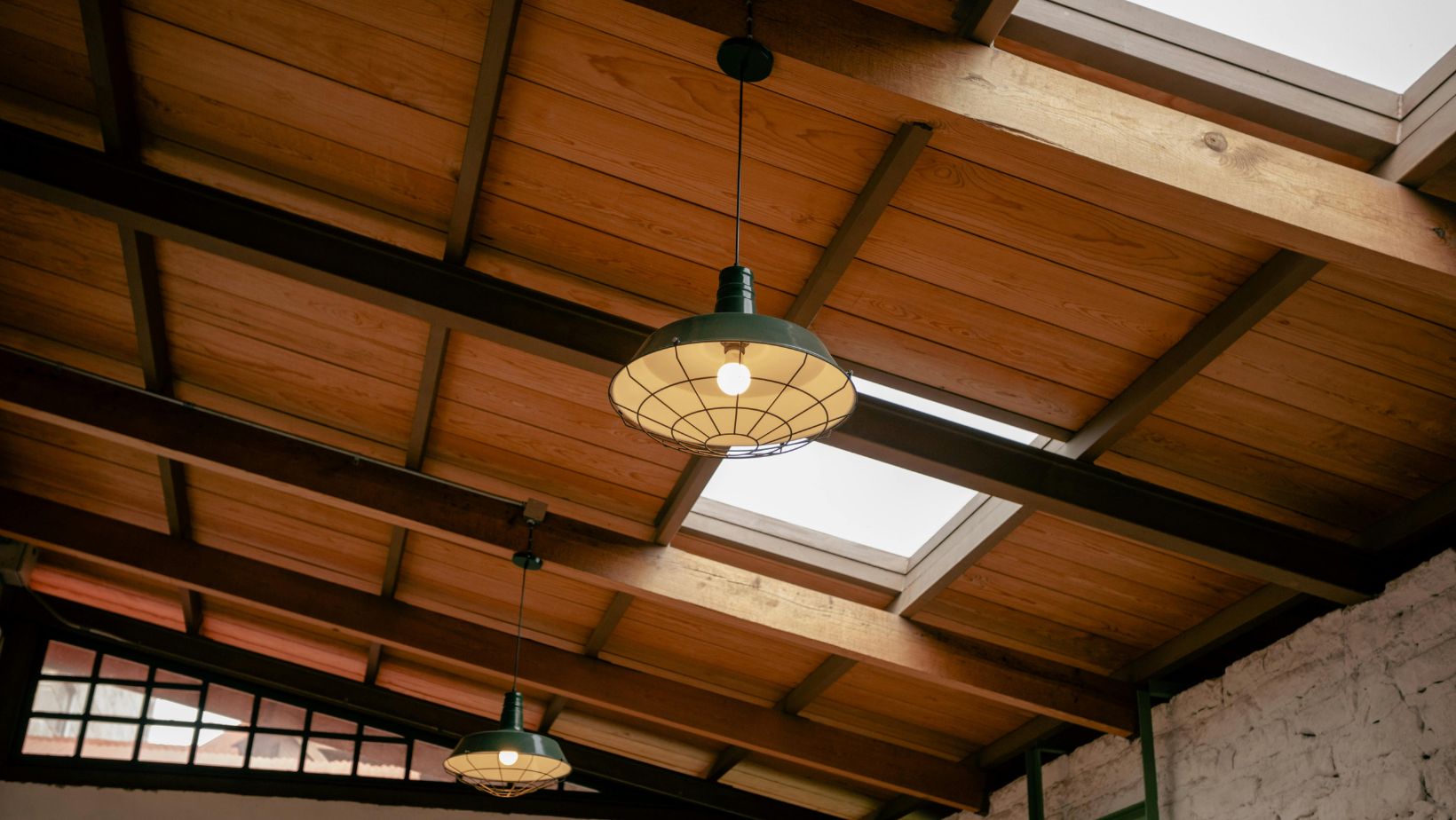
Lighting does more than just help people see what they are doing. Poor lighting can make a space feel dull, closed in, and harder to work in for long periods. It can also lead to mistakes, especially in detail-focused tasks.
Upgrading lighting doesn’t have to be a big project. Sometimes just adding brighter, better-placed lights makes the space easier to work in right away. It can also help cut down on energy use over time.
Natural light helps too, if you can bring more of it in. People tend to feel more awake and less drained during the day. Even small changes can make the whole place feel different when you walk in.
Smarter Layout Leads to Better Flow
The way a space is arranged directly impacts how work gets done. When layouts are cluttered or poorly planned, people spend more time navigating than actually working. That slows everything down without being obvious at first.
Reworking layouts can be surprisingly simple. Clearing pathways, repositioning equipment, or improving access to storage can make daily tasks smoother. These changes help reduce interruptions and keep things moving.
There is also a safety benefit that comes with better flow. When people can move freely and predictably, the risk of accidents drops. That creates a more stable and reliable working environment.
Energy Efficiency Starts with Small Changes
Energy bills usually tell you when something is off. If a space is not set up well, heating and cooling systems end up doing more than they should. That extra workload shows up pretty quickly in monthly costs.
You do not always need to replace big systems to fix it. Sometimes it is just a matter of improving airflow, adjusting lighting, or rethinking how the space is used. Those smaller changes can take a lot of pressure off existing equipment.
Technology Is Making Upgrades Easier
It is a lot easier now to see what is going on inside a building. Simple smart controls can track temperature, lighting, and energy use without much effort. That makes it easier to spot what is not working.
Some systems can even adjust on their own during the day. For example, they might scale back when fewer people are around or shift settings as conditions change. It is a simple way to avoid wasting energy without constantly checking things.
None of this has to be complicated. Even a few small upgrades can make a space run more smoothly. What matters most is choosing changes that actually fit how the space is used every day.
Comfort Supports Better Work
People tend to perform better in spaces that feel comfortable and easy to work in. When the environment supports them, they can focus more on the task instead of adjusting to the space. That difference shows up in both speed and quality.
It is not about making the space perfect. It is about removing the small issues that make work harder than it needs to be. Over time, those small improvements create a more consistent work environment.
Comfort also affects how people feel about staying in a workplace long term. A space that works well day after day tends to keep people more engaged. That stability benefits the business as a whole.
Conclusion
Small upgrades like ceiling fans for commercial buildings often have a bigger impact than expected. By improving airflow, lighting, layout, and system efficiency, businesses can create environments that feel better and cost less to run. The real value comes from making practical changes that support both the space and the people using it every day.