

Dog bite injuries can be serious, and understanding your rights is the first step toward recovery.
While many dogs are friendly and well-trained, attacks can still happen. Dog bites may result in infections, nerve damage, scarring, and emotional trauma. In some cases, victims require surgery or long-term medical care.
If you or a loved one has been injured, learning about legal help for dog bite victims can clarify your options and help you make informed decisions during a stressful time.
How Common Are Dog Bite Injuries?
Dog bites are more common than many people realize and often require medical attention.
According to the Centers for Disease Control and Prevention (CDC), millions of dog bite incidents occur in the United States each year, with hundreds of thousands requiring emergency care.
The CDC emphasizes responsible pet ownership as a key prevention strategy. However, even responsible owners may face situations where a dog acts unpredictably.
As safety professionals often note:
“Most dog bite injuries are preventable, but when they happen, prompt medical care is essential.”
Common Causes of Dog Attacks
Dog bites often occur due to fear, territorial behavior, or lack of proper control.
Common contributing factors include:
● Dogs off-leash in public areas
● Lack of proper training or socialization
● Protective behavior around food or territory
● Startling a dog unexpectedly
● Poorly secured fences or gates
Children are particularly vulnerable because they may approach dogs quickly or fail to recognize warning signs.
In many cases, the incident could have been prevented with proper supervision or containment.
Types of Injuries from Dog Bites
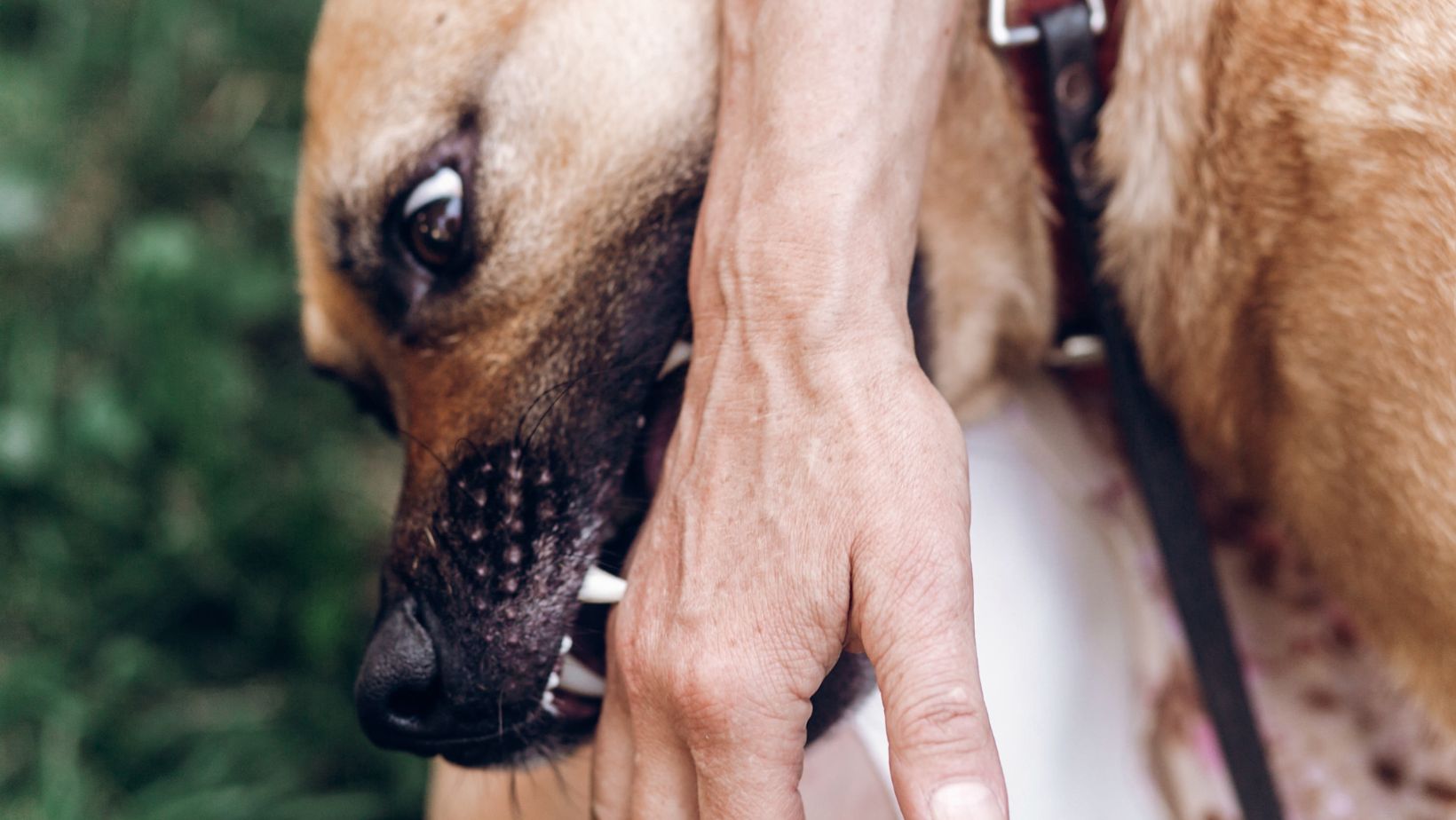
Dog bites can cause both physical and emotional injuries.
Common physical injuries include:
● Deep puncture wounds
● Lacerations
● Infections
● Nerve damage
● Scarring
● Broken bones (in severe cases)
Infections are a serious risk. The CDC warns that untreated bite wounds can lead to complications requiring antibiotics or surgical treatment.
Emotional effects are also common, including:
● Anxiety around animals
● Sleep disturbances
● Post-traumatic stress symptoms
● Fear of outdoor activities
Children may experience lasting psychological impacts after an attack.
What to Do Immediately After a Dog Bite
Seeking medical care and documenting the incident are the most important first steps.
If you are bitten:
● Clean the wound immediately if possible
● Seek medical attention
● Report the incident to local animal control
● Obtain contact information from the dog’s owner
● Take photographs of injuries
● Keep copies of medical records
Prompt reporting helps ensure the dog’s vaccination status can be verified, especially for rabies prevention purposes.
Understanding Personal Injury Law in Dog Bite Cases
Personal injury law allows victims to seek compensation when someone else’s negligence causes harm.
Dog bite cases typically fall under premises liability or animal liability laws, depending on the state.
In many jurisdictions, dog owners may be responsible if:
● The dog had a history of aggression
● The owner failed to restrain the dog
● Local leash laws were violated
● The owner knew or should have known about the risk
Compensation in a personal injury claim may include:
● Medical expenses
● Future treatment costs
● Lost wages
● Pain and suffering
● Emotional distress
● Scarring or disfigurement
Because laws vary by state, understanding local regulations is important.
The CDC and other public health agencies provide general safety guidance, while state-specific laws determine liability standards.
Why Insurance Companies Review Dog Bite Claims Carefully
Insurance providers often investigate dog bite claims to determine responsibility and damages.
Common considerations include:
● Whether the victim was lawfully on the property
● Whether local leash laws were followed
● Prior complaints about the dog
● Severity of injuries
Some states follow strict liability rules, meaning dog owners may be responsible even if the dog has never bitten before. Other states require proof of negligence.
As one legal professional explains:
“Dog bite cases often depend on local laws, documentation, and the facts surrounding the incident.”
Understanding these factors is essential when evaluating legal help for dog bite victims.
Long-Term Consequences of Dog Bite Injuries
Dog bite injuries can have lasting physical and emotional effects.
Potential long-term outcomes include:
● Permanent scarring
● Nerve damage
● Ongoing medical treatment
● Reconstructive surgery
● Psychological counseling
For example, facial bites may require multiple surgical procedures to minimize scarring. Children may need therapy to address fear or trauma.
Medical costs can extend well beyond initial emergency care.
Personal injury claims aim to account for both current and future damages.
When Should You Consider Legal Help for Dog Bite Victims?
You should consider speaking with a professional if injuries are serious, liability is disputed, or insurance issues arise.
Situations where legal guidance may help include:
● Hospitalization or surgery
● Permanent scarring
● Infection complications
● Disputed ownership or responsibility
● Insurance denial or delay
Legal professionals can:
● Investigate the circumstances of the attack
● Review animal control reports
● Gather witness statements
● Consult medical experts
● Negotiate with insurance companies
● File a claim if necessary
Early action is important, as evidence and witness memories can fade over time.
Government Resources for Animal Safety
Federal agencies provide helpful information about pet safety and public health.
Useful resources include:
● USA.gov Animal-Related Resources: USAGov
These sites provide information on rabies prevention, vaccination guidelines, and reporting procedures.
Responsible pet ownership and public awareness play important roles in reducing dog bite incidents.
Time Limits for Filing a Claim
Every state has a statute of limitations that limits how long you have to file a personal injury lawsuit.
This time frame varies but is often between one and three years from the date of the injury.
Missing this deadline may permanently prevent recovery.
Because laws differ by location, it is important to understand local requirements as soon as possible.
Preventing Future Dog Bite Incidents
Prevention relies on responsible ownership and public awareness.
Dog owners can help reduce risk by:
● Keeping dogs on leashes in public
● Providing proper training and socialization
● Securing fences and gates
● Supervising children around pets
● Following local leash laws
Community education and responsible behavior significantly reduce bite incidents.
Final Thoughts: Protecting Your Health and Rights
Dog bite injuries can be physically painful and emotionally stressful, but informed decisions can help protect your recovery.
Understanding personal injury law, reviewing official CDC resources, and documenting injuries are important steps after an attack.
If injuries are serious or insurance issues arise, exploring legal help for dog bite victims may provide clarity and support during a challenging time.