Creative projects rarely fail because of weak ideas. They fail when execution can’t keep up with vision. Designers often hit a wall when an idea requires motion, depth, or texture that cannot be created by the usual printing methods. With tight budgets and stricter deadlines, it is even more difficult to bridge that gap.
Here is where a lenticular printing partner comes in handy. Lenticular processes introduce movement and depth that cannot be created by flat printing. A partner who is aware of this process is able to take a one-dimensional concept and make it responsive to the viewer. Such collaboration alters the planning and execution style of creative teams.
Here’s what makes this kind of partnership work so well for creative projects. These five points break down exactly why.
1. Turning Ideas into Experiences, Not Just Prints
Static print can only carry a concept so far. When a story requires change or movement, a flat picture leaves part of the story.
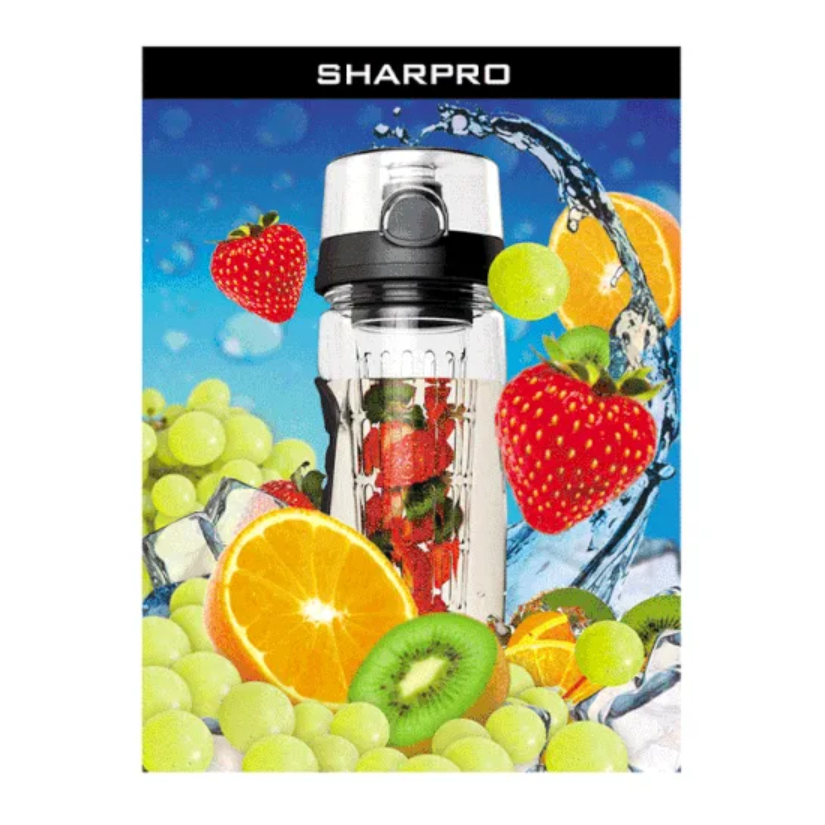
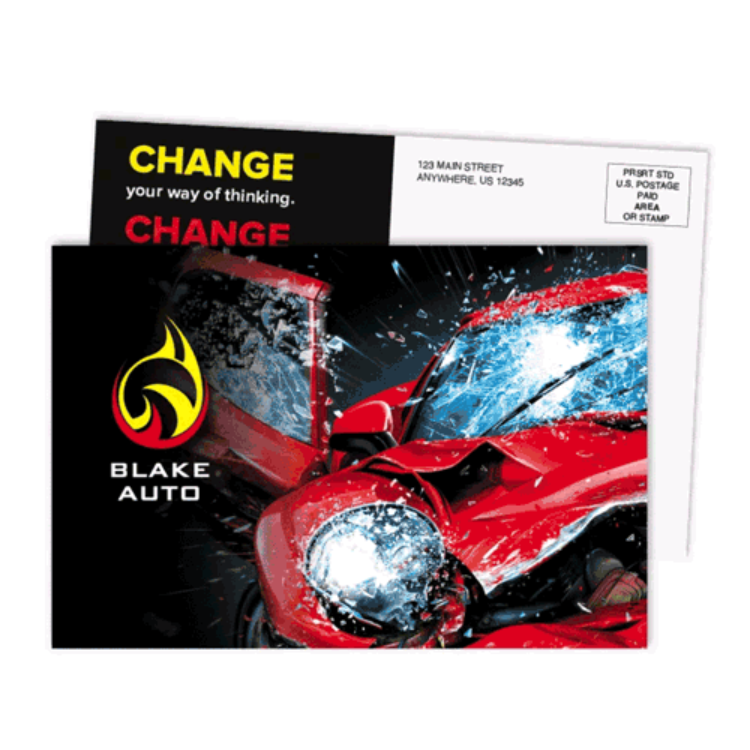
Lenticular printing solves this by layering multiple images, so the design shifts as the viewer moves around it. This makes packaging, posters, and cards interactive instead of something that you view only once.
That said, the quality of production on this technique is largely subject to the extent to which calibration and finishing can be controlled by a facility. A project that is printed within America, or even within the Midwest, moves through production faster and has fewer shipping issues than one that is exported.
Thus, collaboration with an American lenticular company ensures that quality checks, communication, and turnaround are easily accessible, which is important when a creative idea hinges on precision.
2. Bringing Technical Expertise Creatives Don’t Have To
Design and print production are two different skill sets. A designer can build a stunning concept, but translating it into a physical product takes years of hands-on experience. Lack of that expertise can cause any great design to fail once it has been created.
A specialized lenticular printer bridges that gap. The team behind it knows what techniques to use on what materials, how to prevent typical production mistakes, and how to maintain even colors in mass production.
Such technical knowledge eliminates the guesswork, and creative teams can concentrate on the idea rather than worrying about how it will hold up once printed.
3. Adapting to Any Scale of Project
Not every creative project needs thousands of units. Some call for just a handful of samples. These assist in testing out an idea prior to making a larger-scale run. Others require high volumes within a short period of time. A rigid printer that only works with bulk orders cannot serve either of these cases properly.
This is addressed by flexible production capacity. A good lenticular printer accommodates small test batches. They can also deal with big campaigns with ease. This allows the freedom of experimentation in creative teams without risk of financial loss.
This is most important when it comes to testing out an idea in the initial stage. Teams should be able to observe the performance of an idea. Then they can make a decision to scale it up. That kind of adaptability keeps creative timelines realistic. It prevents situations where teams are compelled to make decisions prematurely.
4. Offering Finishing Options That Elevate the Final Product

A design can look strong on screen. But it can still feel ordinary once printed. This happens unless the right finishing touches are applied. Foil stamping, embossing, and raised textures add a tactile quality. Flat printing simply can’t replicate that feel. These details often make the difference. A piece either gets noticed, or it gets set aside.
Combining these finishes with dimensional effects adds even more depth. A folder with foil accents stands out on its own. A card with a lenticular flip effect does the same. Both create a stronger first impression than plain printed material.
For creative projects meant to stand out, these finishing options aren’t extras. They’re a key part of the process. In the end, they’re what makes the final piece memorable.
5. Acting as a Hands-On Partner, Not Just a Vendor
Ordering print materials from a vendor usually means submitting a file. Then you wait for the result. That process works fine for simple jobs. But it doesn’t leave much room for guidance. This becomes a problem when a project involves specialized techniques.
A partner-focused approach works differently. A knowledgeable print partner doesn’t just process an order. They review the design first. They flag potential production issues early. They also offer input on techniques that fit the project’s goals.
This kind of collaboration catches problems before they become costly mistakes. It saves time and money in the long run. It also gives creative teams access to expertise they may not have in-house. That support strengthens both the final product and the overall process from start to finish.
Conclusion
Creative projects succeed when execution matches the original vision, and that takes more than a good printer. It takes a lenticular partner who understands dimensional techniques, adapts to different project sizes, and stays involved from concept to completion.
Each of the points covered here shows how the right lenticular printing partnership removes common production obstacles rather than adding to them. For teams working on packaging, marketing materials, or any project that needs to stand out, choosing a partner with the right technical skill set makes the difference between an idea that looks good on paper and one that performs well in the real world.