

Have you ever experienced that sharp, stabbing pain that makes you question every life decision you’ve ever made? If it feels like someone’s playing a twisted game of rock-paper-scissors inside your kidneys, you might just be dealing with pielolitiase, or as it’s more commonly known, kidney stones. But fear not. Understanding this pesky condition is easier than making that sour face after swallowing lemon juice. So grab a comfy seat: we’re about to jump into the world of kidney stones, a journey filled with insights, prevention tips, and maybe a few laughs along the way.
Pielolitiase

Pielolitiase, or kidney stones, forms when certain substances in our urine crystalize and harden in the kidneys. Picture tiny rock-like formations that can range in size from a grain of sand to a golf ball. Yes, you heard that right. These stones can be as sharp as your best friend’s wit on a bad hair day. They primarily consist of calcium, oxalate, and uric acid, stemming from dietary choices and other factors we’ll explore shortly.
But worry not. While they sound intimidating, knowing what they are helps us take the first step in understanding how to prevent them.
Types of Kidney Stones
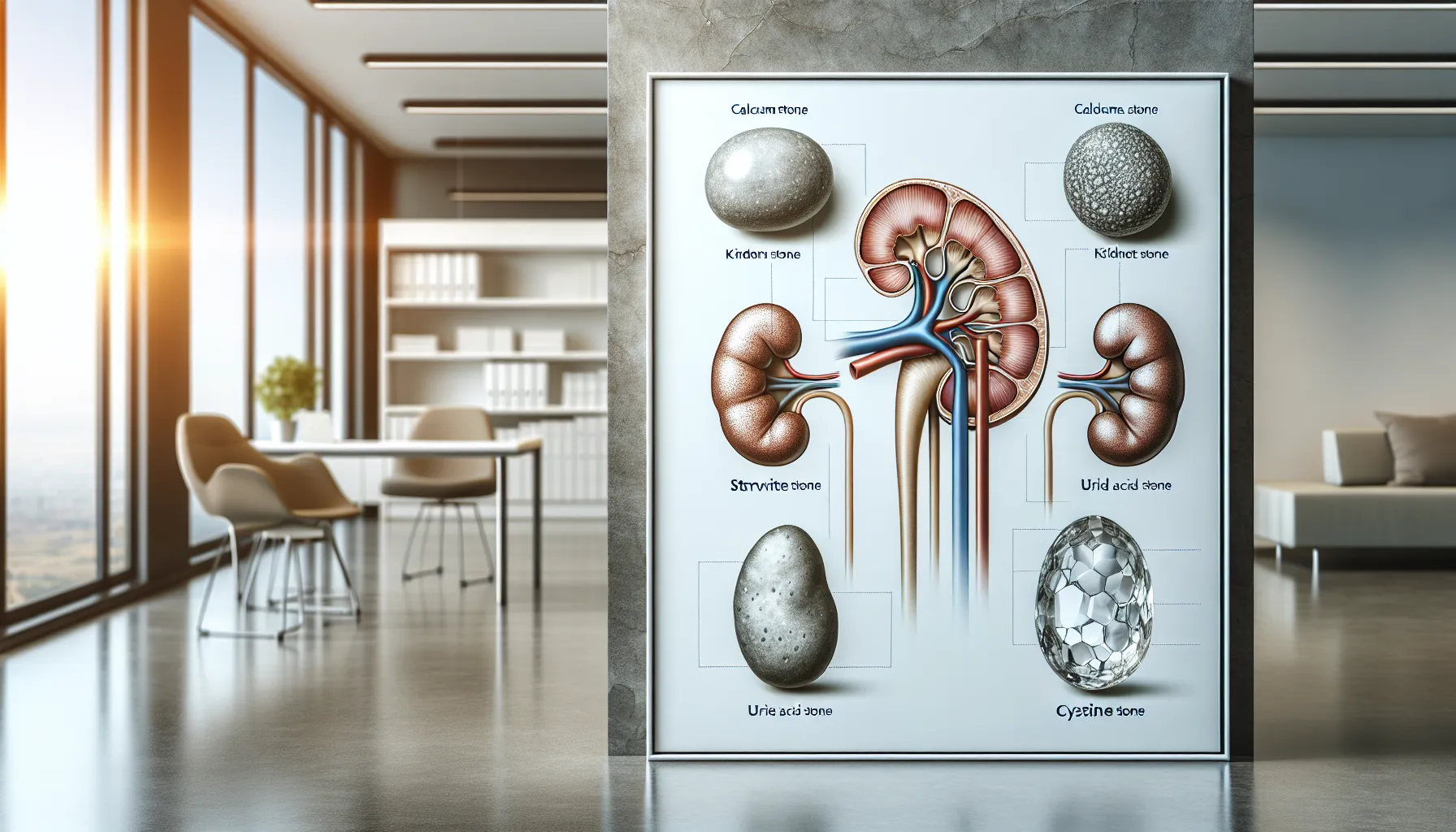
Not all kidney stones are created equal, and we have a few types to discuss:
- Calcium Stones: These are the most common, often made of calcium oxalate. When we consume too much oxalate-rich food like spinach or nuts, we might be putting ourselves at risk.
- Struvite Stones: Often formed after a urinary tract infection, these stones can grow quickly and can be quite large. The only good news? They mostly affect women.
- Uric Acid Stones: These develop when there’s too much uric acid in the urine, often linked to diets high in purines, think red meats and shellfish.
- Cystine Stones: The rarest variety, these happen when the kidneys excrete too much of the amino acid cystine. This type can be a genetic condition, running in families.
Each type has its own causes, but together they can really make our lives miserable.
Symptoms of Pielolitiase

So, how can we tell if we have kidney stones? The signs can be pretty clear:
- Severe Pain: Often felt in the back or side, and it can radiate down to the groin. If you feel like you’re giving birth, you might be onto something.
- Changes in Urination: We may experience more frequent urination, urgency, or even blood in the urine, which can be quite alarming.
- Nausea or vomiting: Our body responds strongly, sometimes leading us to feel sick as if we’ve eaten something unpleasant.
- Cloudy or foul-smelling urine: If our urine looks like it’s been stirred with a questionable ingredient, it could be a warning sign.
If any of these symptoms sound familiar, it’s time to consult a healthcare professional.
Causes and Risk Factors

So, what drives our kidneys to form these pesky stones? There are a multitude of factors at play, including:
- Dehydration: When we don’t drink enough water, our urine becomes more concentrated, leading to stone formation.
- Diet: High sodium and oxalate intake can significantly raise our risk. Incorporating more vegetables while cutting down on processed foods can help.
- Obesity: Excess weight can alter the acid levels in our urine, fostering stone development.
- Certain Medical Conditions: Conditions like diabetes and hyperparathyroidism can also heighten our risks.
Understanding these factors helps us make better lifestyle choices and potentially avoid future issues.
Diagnosis and Treatment Options

Diagnosing pielolitiase often starts with our healthcare provider asking about symptoms and conducting a physical exam. They may also request:
- Urine tests: To check for crystal presence, blood, and other substances.
- Imaging tests: Such as X-rays, ultrasounds, or CT scans to visualize stones within the kidneys.
Once diagnosed, treatment can vary. Small stones might pass naturally with increased fluids, like a flow of water over a pebble. But, larger stones could require:
- Medication: Pain relievers, or even medication to help break down stones.
- Extracorporeal Shock Wave Lithotripsy (ESWL): A method using sound waves to break stones into smaller pieces.
- Surgery: In cases where stones are stubborn or extremely large.
Taking early steps in diagnosis can save us from more serious interventions later.
Preventive Measures and Lifestyle Changes
Now, we all know that prevention is better than cure. So how can we keep those stones at bay? Here are some useful suggestions:
- Stay Hydrated: We should aim for lots of fluids, think 8 to 10 glasses a day. Water is our best friend here.
- Watch the Diet: Reducing salt, limiting oxalate-rich foods, and balancing our diet can go a long way.
- Maintain a Healthy Weight: Regular exercise not only helps avoid stones but benefits our overall health.
- Regular Check-Ups: Keeping up with healthcare appointments can help us catch potential issues early.
Making these changes can significantly lower our risks and help us lead healthier lives.