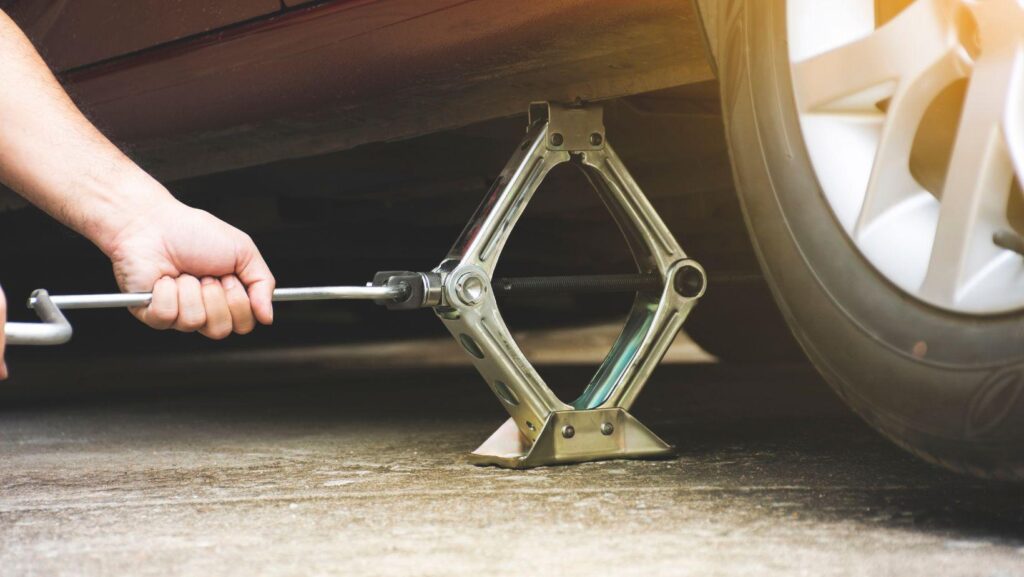
There is something almost magical about watching tons of metal rise with a smooth, controlled push. A heavy vehicle that seemed planted to the earth suddenly lifts, inch by inch, as if gravity has agreed to step aside for a moment. Behind that quiet miracle is not brute force alone, but precision. Deep inside hydraulic lifting systems, one small component carries enormous responsibility: the valve.
For anyone who has ever relied on car jacks to change a tire, inspect a brake line, or handle repairs in a busy garage, understanding this tiny part changes the way you see the entire tool. It is easy to admire the steel frame, the handle, the wheels, the saddle. Yet the real story often lives in the hidden pathways where pressure is controlled, directed, and released with care.
This guide explores how that tiny valve works, why it matters so much, and why your safety, efficiency, and confidence often depend on something so small you could almost overlook it.
Why the Valve Matters More Than Most People Realize
Hydraulic lifting tools operate on a beautifully simple principle: liquid under pressure transfers force. When you pump the handle, hydraulic fluid moves through the system and builds pressure. That pressure pushes a piston upward, and the car-jack lifts the load.
But pressure without control is chaos.
That is where the valve becomes essential. The valve regulates the movement of hydraulic fluid. It decides when fluid can move, where it goes, and when it must stay exactly where it is. In practical terms, it is the gatekeeper that makes lifting smooth instead of jerky, stable instead of risky, and dependable instead of frightening.
In many car jacks, the valve system includes a release valve, a check valve, and sometimes overload protection. Each one has a different job, but together they create the controlled motion you trust every time a vehicle rises off the ground.
Without that tiny valve, a hydraulic jack would not feel precise. It would feel dangerous.
How a Tiny Valve Creates Giant Force
At first glance, the idea can seem unbelievable. How can a tiny valve influence the lifting of thousands of pounds?
The answer lies in control over fluid pressure. Hydraulic fluid does not compress the way air does. That makes it ideal for transmitting force. When the valve opens at the right moment, fluid flows into the lifting chamber. When it closes, the pressure is trapped, and the load stays elevated.
That is the hidden genius.
You pump. The fluid moves. The valve seals. The piston rises. The vehicle lifts.
Then, when the job is done, the release valve opens carefully and lets the pressure ease out in a controlled way. The load lowers steadily rather than dropping with a sickening surprise.
It is a humble act, really. A tiny mechanical decision repeated over and over again. Open. Close. Hold. Release. And yet that rhythm is what makes a trolley car jack feel trustworthy in your hands.
Inside car jacks: the silent teamwork of pressure and control
It helps to think of a hydraulic jack not as one object, but as a team. The handle provides human input. The pump creates fluid movement. The cylinder converts pressure into upward force. And the valve system conducts the entire operation like a calm, unseen leader.
There is an emotional side to that reliability. Anyone who has worked under pressure, whether in a home garage or on the side of the road, knows the value of a tool that behaves exactly as expected. You do not want drama when a vehicle is lifted. You want certainty.
That feeling of certainty can come from details you never see.
A mechanic once paused before beginning a repair and noticed an old shop curtain beginning to drape over a shelf near the work area. It was such a small thing, almost silly to mention, but it reminded everyone present how often safety depends on what is controlled and what is allowed to hang loose. In much the same way, a valve keeps hydraulic force from spilling into disorder. It keeps the system tidy, disciplined, and safe.
Common valve problems and the warning signs you should not ignore
Even the best hydraulic systems wear down over time. A tiny valve may be powerful, but it is not invincible. Dirt, damaged seals, corrosion, poor fluid quality, and simple age can all affect performance.
Here are the most common signs of valve-related trouble:
– The jack lifts slowly or unevenly
– The load drifts downward after being raised
– The handle feels unusually loose or stiff
– The release function becomes inconsistent
– The jack fails to reach full lifting height
When these symptoms appear, the problem is not always dramatic at first. In fact, that is what makes it dangerous. Hydraulic issues often begin quietly.
There was once a shop owner who kept a camera mounted in the corner of the garage, mostly for security and occasionally to record repair work. One day, playback revealed something the eye had missed in real time: a jack lowering ever so slightly over several minutes. Not a crash. Not a collapse. Just a subtle loss of pressure. That tiny movement told the whole story. The valve needed attention long before the tool failed completely.
Why maintenance protects both the jack and the person using it
If you want hydraulic tools to last, maintenance is not optional. It is part of the bargain.
Clean fluid matters. Proper storage matters. Inspecting seals matters. And using the correct load limits matters more than many people realize. Overloading forces the valve system to manage pressure beyond what it was designed to handle, and that shortens the life of the tool while increasing risk.
For owners of car jacks, regular inspection should become second nature. Check for leaks. Listen for strange sounds. Watch for slow lowering. Test the release mechanism. If something feels off, trust that instinct and investigate before the next lift.
This is especially true in professional spaces, where a trolley car jack may be used repeatedly throughout the day. Frequent use means more wear cycles, more opportunities for contamination, and more need for preventive care.
What this tiny part teaches us about trust in tools
There is a reason skilled workers develop real affection for dependable equipment. Good tools do more than function. They create calm. They make difficult work feel manageable.
An artist once visited a workshop to sketch industrial tools for a series on mechanical beauty. Out of all the objects in the room, the artist became fascinated by the jack. Not because it was flashy, but because it transformed force into grace. That observation stayed with everyone there. A well-made hydraulic jack does exactly that. Beneath the steel and weight, there is elegance. And the valve is at the heart of it.
When you understand the role of that tiny component, you start to appreciate the entire system differently. You see why car jacks must be maintained, why a trolley car jack can feel so smooth when engineered well, and why the smallest part can shape the biggest outcome.
The next time a vehicle rises steadily before you, take a moment to think about what is really happening. Deep inside the mechanism, a tiny valve is doing quiet, disciplined work. It is controlling pressure, protecting stability, and making the impossible look effortless.
That is the beauty of engineering. Sometimes the smallest part carries the greatest weight.